Catching: The Three Pillars
Catching is more than simply receiving the baseball. A complete catcher can impact the game through receiving, blocking, and throwing, with each area contributing to run prevention and overall defensive value. My approach focuses on developing efficient movement patterns, consistency, and game-transferable skills while using measurable data to identify strengths and areas for improvement.
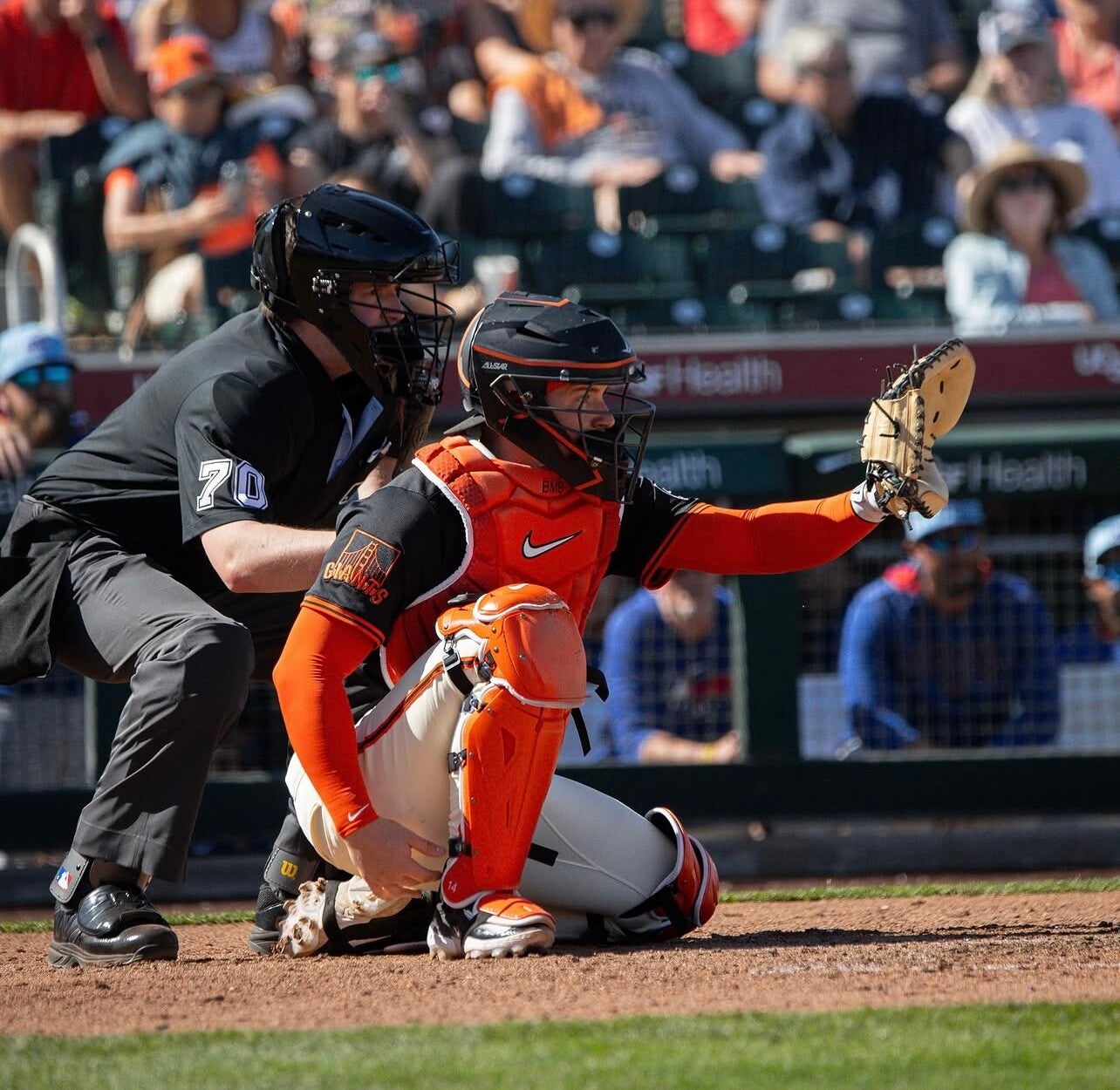
RECEIVING
Receiving focuses on controlling the strike zone and maximizing the value of every pitch. Key metrics include Catcher Framing Runs, Shadow Zone Strike %, and zone-specific framing. Statcast converts framing performance into runs, with each additional strike valued at approximately 0.125 runs. In 2025, MLB's best framing catcher, Patrick Bailey, was credited with +25 framing runs, demonstrating the potential impact elite receiving can have on team defense.
Blocking
At the highest level, blocking is measured by a catcher’s ability to prevent difficult pitches from becoming baserunner advancement or additional scoring opportunities. Blocks Above Average, Blocking Runs, and Expected vs. Actual PB + WP help evaluate how consistently a catcher handles pitches based on their location, movement, velocity, and difficulty. MLB’s Statcast model currently has Alejandro Kirk and Cal Raleigh leading the 2026 MLB leaderboard with +14 Blocks Above Average, demonstrating how elite blocking can be quantified beyond simply counting passed balls and wild pitches.
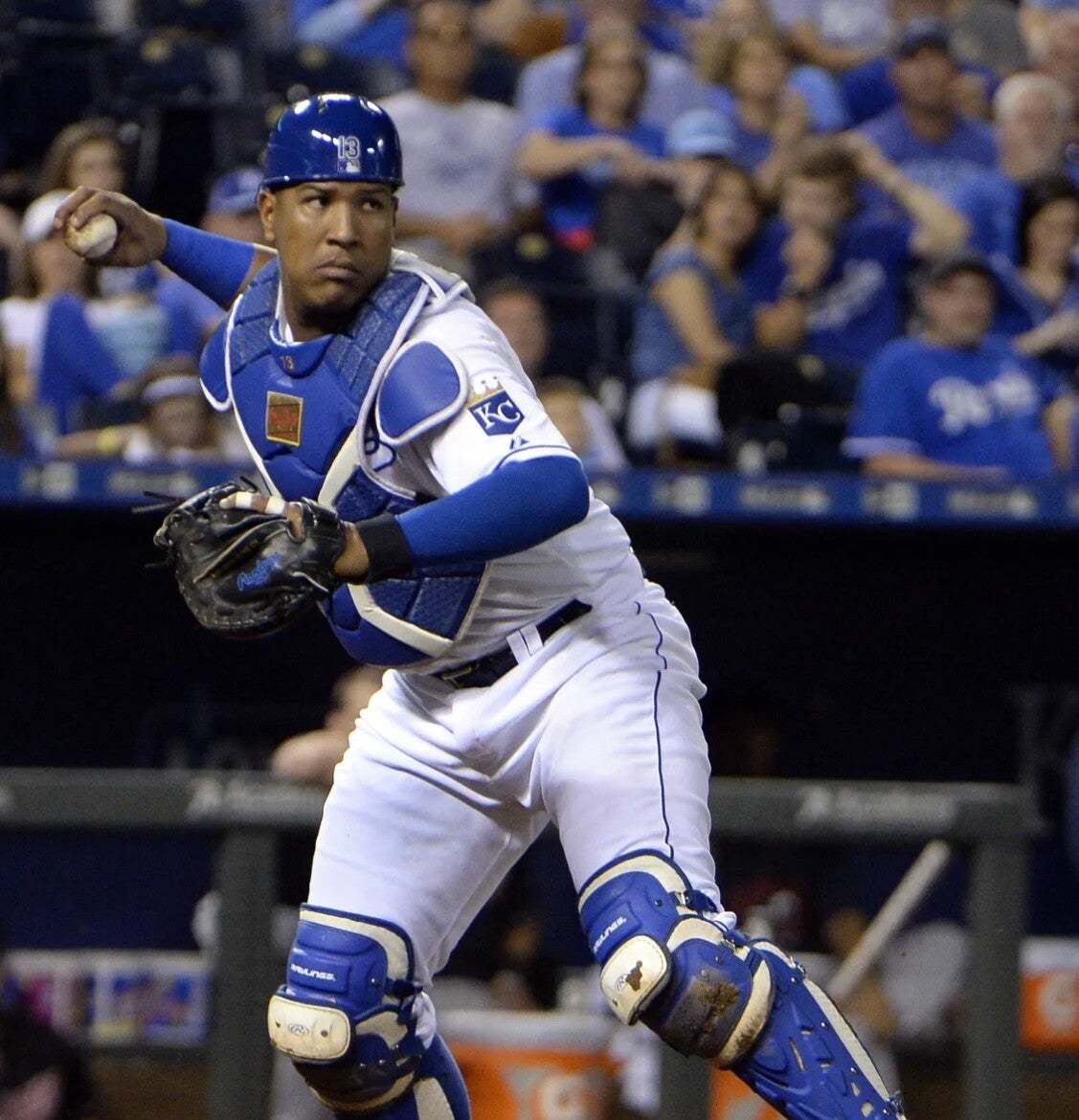
Throwing
Throwing combines athleticism, efficiency, arm strength, accuracy, and consistency to control the running game. Since MLB implemented the pitch timer, larger bases, and limits on pitcher disengagements and pickoff attempts, stolen-base activity has increased significantly. In 2024, MLB players stole 3,617 bases, the most in 109 years and the highest total since 1915. That was also an increase from 3,503 stolen bases in 2023. Read the MLB article
Key metrics include Exchange Time, Transfer Time, Pop Time to 2B and 3B, Arm Strength, Throwing Accuracy, and Caught Stealing %. Training focus should be on creating efficient exchanges, improving lower-half movement and throwing mechanics, developing throwing accuracy, and overall quickness.
Our goal is to develop catchers who can receive, transfer, and throw efficiently while making quality decisions and executing under game-speed.